

AVJU Solutions builds custom computer vision at speed with AI Studio

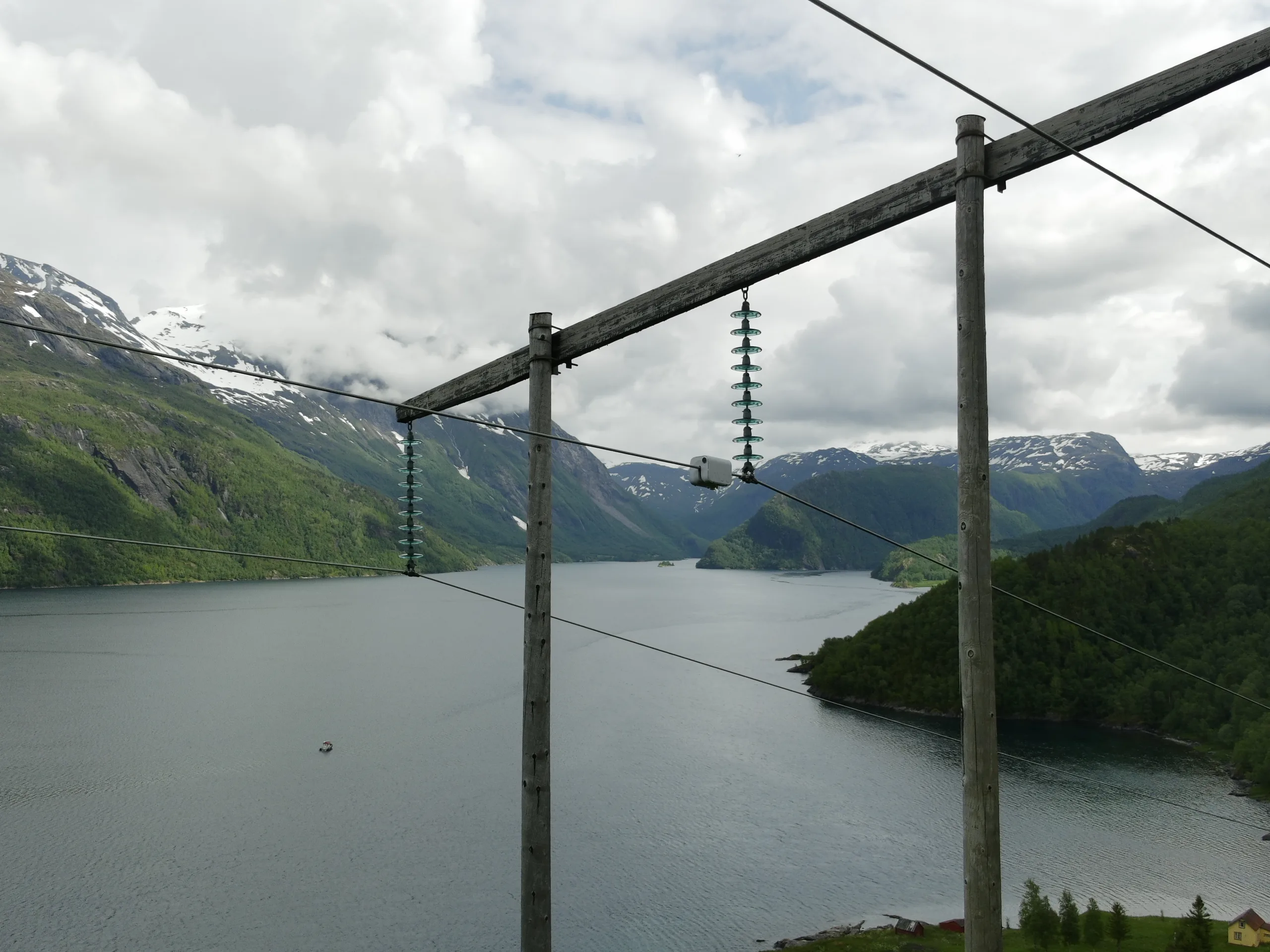

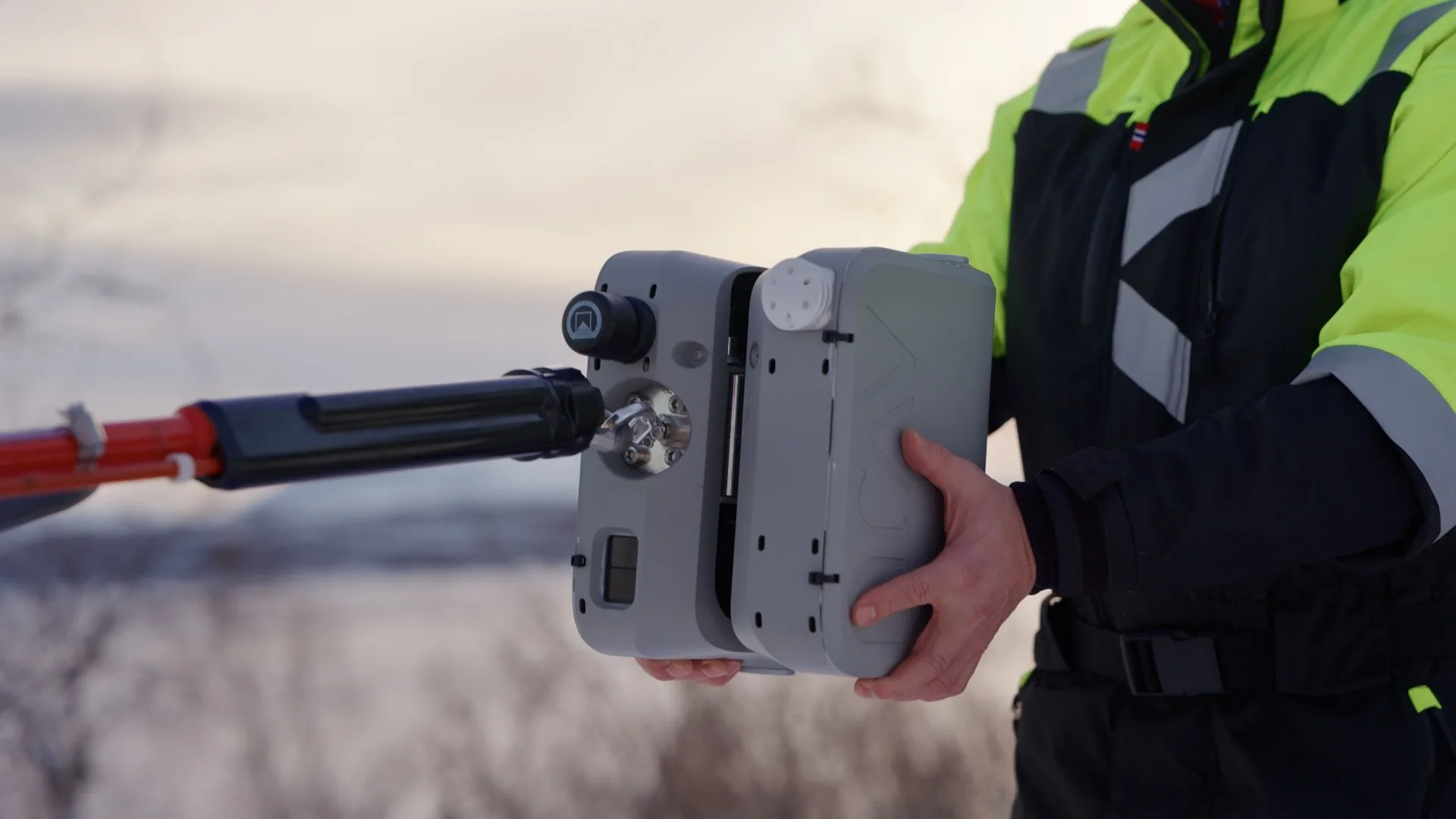
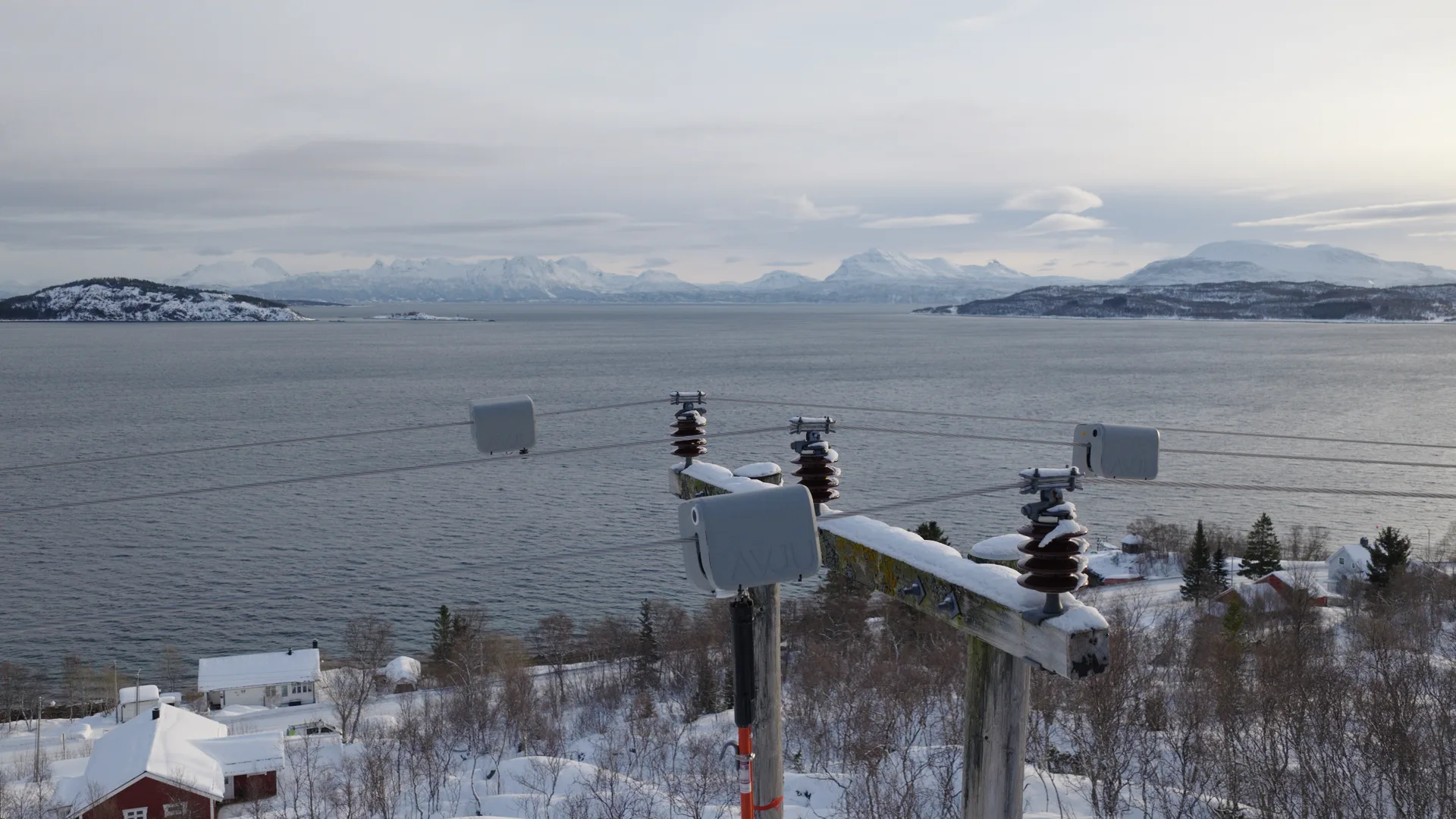
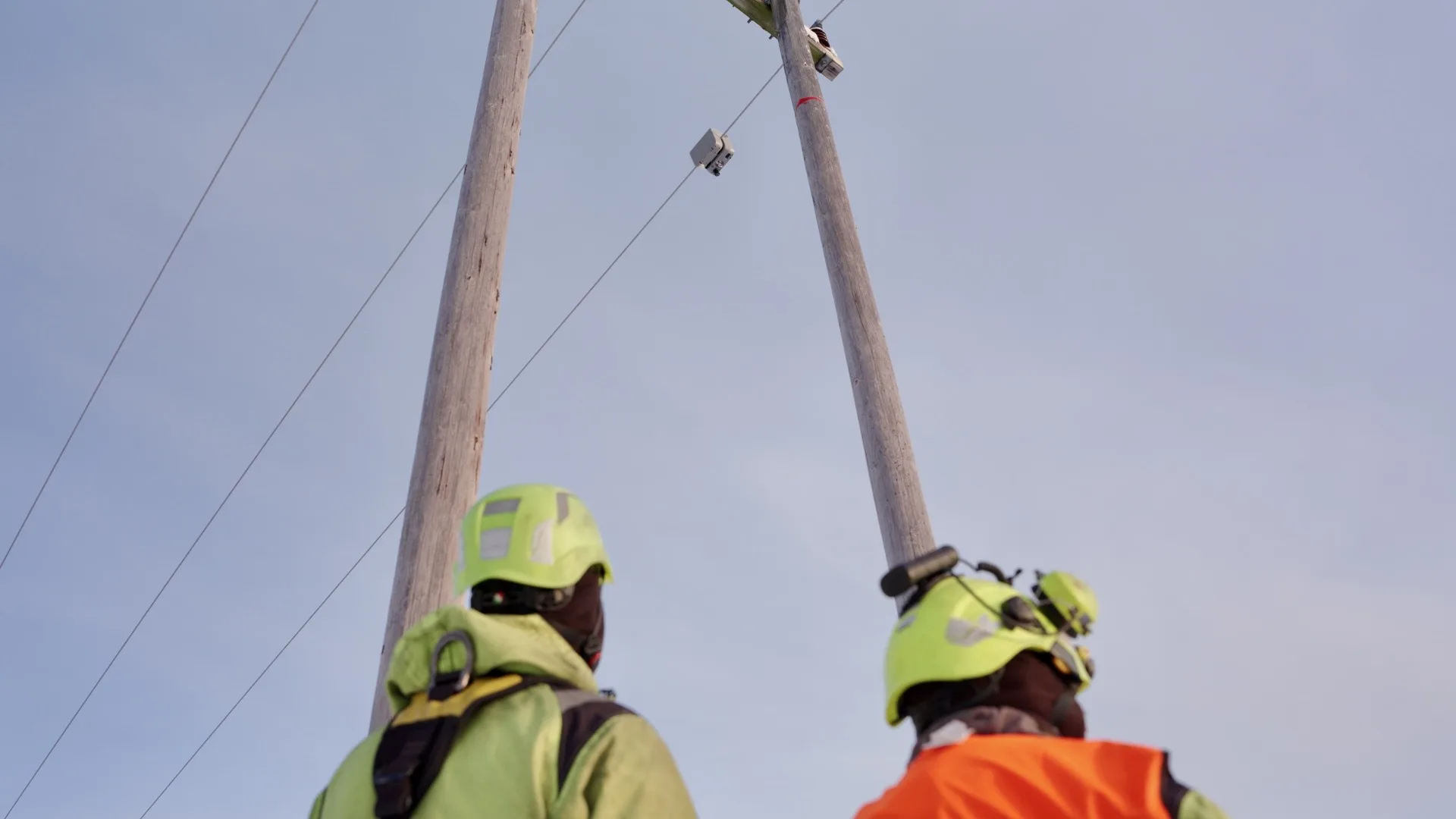
Avju’s Observer is a device mounted directly on power lines that captures high-resolution imagery along with electrical and environmental data. Its software platform, Gridvju, turns that data into insight utilities use to track asset condition, capacity, and risk. As Avju’s data and autonomy team looked to expand what Gridvju could detect, they turned to eSmart Systems’ AI Studio to build and adapt computer vision models without the workload growing with every new use case.
Models built from a handful of images — no lengthy retraining cycles or massive datasets required
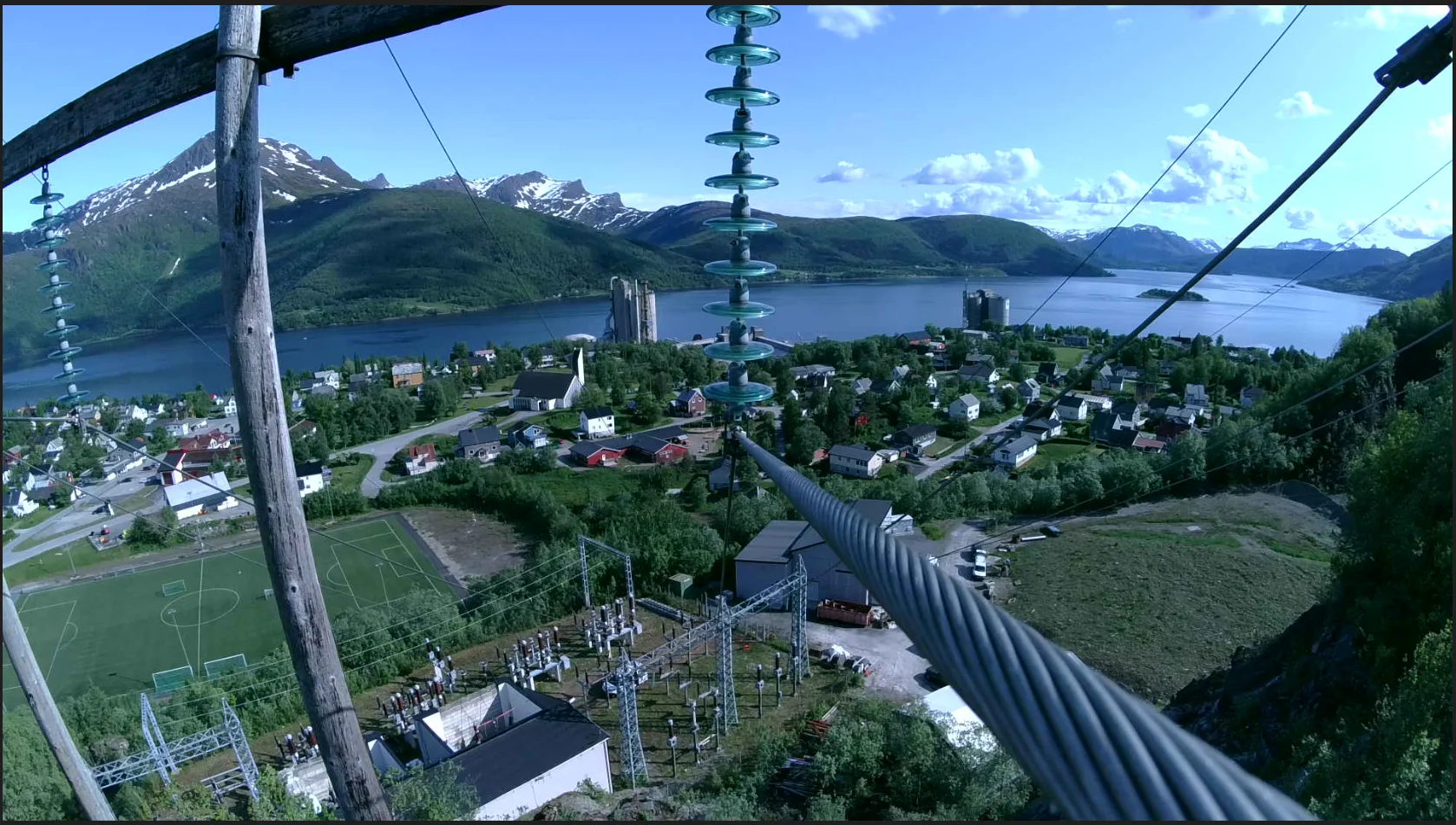
Earlier defect detection — corona discharge and insulator damage identified directly from Observer imagery
One Computer Vision platform, many countries — reusable, adaptable models scale into new markets without a parallel ML build-out
More capable over time — already-installed Observer hardware gains new detection capabilities through software alone
The challenge
Before AI Studio, Avju’s data and autonomy team built its computer vision models from the ground up, including a wildfire detection model using classification and segmentation. The models worked well; the harder part was keeping them working. Every time Avju deployed an Observer to a new environment, the team needed new training data, new labeling, and a retrained model.
Maintaining a model, once built, turned out to be the heaviest cost. As Avju’s small team tried to grow its number of use cases across an inherently varied power grid, that maintenance workload threatened to scale just as fast as its ambitions.
The solution
Avju now builds and runs its computer vision models through AI Studio, using both the AI Studio UI and, for its engineers, Claude Code. Models are trained on Observer imagery, with the results feeding straight into Gridvju.
Two things made the difference. eSmart Systems’ Model Garden gave Avju a library of models already built for utility infrastructure, so it rarely starts from zero. And when an existing model meets a new edge case, or a customer needs something the Model Garden doesn’t cover, AI Studio lets Avju adapt it from a small set of images rather than rebuild it.
In production today, that means corona discharge detection on insulators, paired with defect detection, to flag deteriorating assets earlier. Avju also uses AI Studio to automatically redact people, faces, and license plates from Observer imagery for privacy compliance. Fire and smoke detection, tree clearance, and snow and ice detection are next.

eSmart Systems has a super strong reputation in computer vision and extensive experience applying it to utility infrastructure. We gain more than access to technology — we gain the depth and confidence in the computer vision capabilities behind our products. That’s a foundation we couldn’t realistically build alone as a small team.
Scaling across borders
Power infrastructure looks different in every country — different mast designs, insulators, materials, camera angles, and weather. Even a strong model will eventually meet something it hasn’t seen before. Rather than build a new set of models for every market, Avju adapts AI Studio’s existing utility-specific models to local conditions, giving its computer vision capability one platform to grow from instead of a parallel build-out per country.
The Observer adds to that advantage. It’s a permanent presence on the power line, continuously collecting data long after a drone flight or line walk ends. Because new intelligence can be layered onto that imagery through AI Studio, an Observer already in the field keeps gaining capabilities without new hardware.
What the customer gets
AI Studio lets Avju start much further ahead and maintain what it develops with far less effort, freeing its engineers to focus on what differentiates the company and creates value for customers. Beyond speed, it also gets the experience and credibility of a partner with an established position in computer vision.
For Avju’s customers, the real value isn’t the model — it’s earlier warnings and less raw data to dig through, delivered through Gridvju.
About Avju Solutions
Avju Solutions is a Norwegian dynamic line rating (DLR) technology company, built around the idea of securing power by predicting tomorrow. Its patented Observer units mount directly onto live power lines, deployed by hot stick, combining sensors and cameras to deliver dynamic line rating and real-time monitoring, so grid operators can track transmission capacity and get ahead of changing demand and weather conditions. Avju’s software platform, Gridvju, turns that data into insight for its utility customers. Avju has been recognized through NATO’s DIANA deep-tech accelerator for its work applying computer vision to critical infrastructure.
Start your journey with us today!