That’s why we helped build a first-of-its-kind wildfire technology framework. In partnership with Smart Electric Power Alliance (SEPA), Overstory, Pano AI, Rhizome, and Technosylva, we contributed to publish the Wildfire Technology Landscape: A Framework for U.S. Utilities.
One Framework. Every Stage.
The report introduces a Six-Stage Wildfire Risk Reduction Framework that maps the full lifecycle of utility wildfire management, from long-range capital planning all the way through post-event recovery and learning.

Source: SEPA / PNNL (2026)
Wildfire risk management doesn’t happen in silos, but utility technology stacks often do. What makes this framework valuable is that it reflects how decisions actually flow across an organization. Risk intelligence from pre-season planning informs operational thresholds during high-risk weather windows. Detection alerts feed real-time fire spread simulations. Post-event data retrains ignition probability models and updates capital priorities before the next cycle begins. The framework makes those handoffs clear, because the value of any single technology is multiplied when the data it produces reaches the right team at the right time.
Where eSmart Systems Fits In
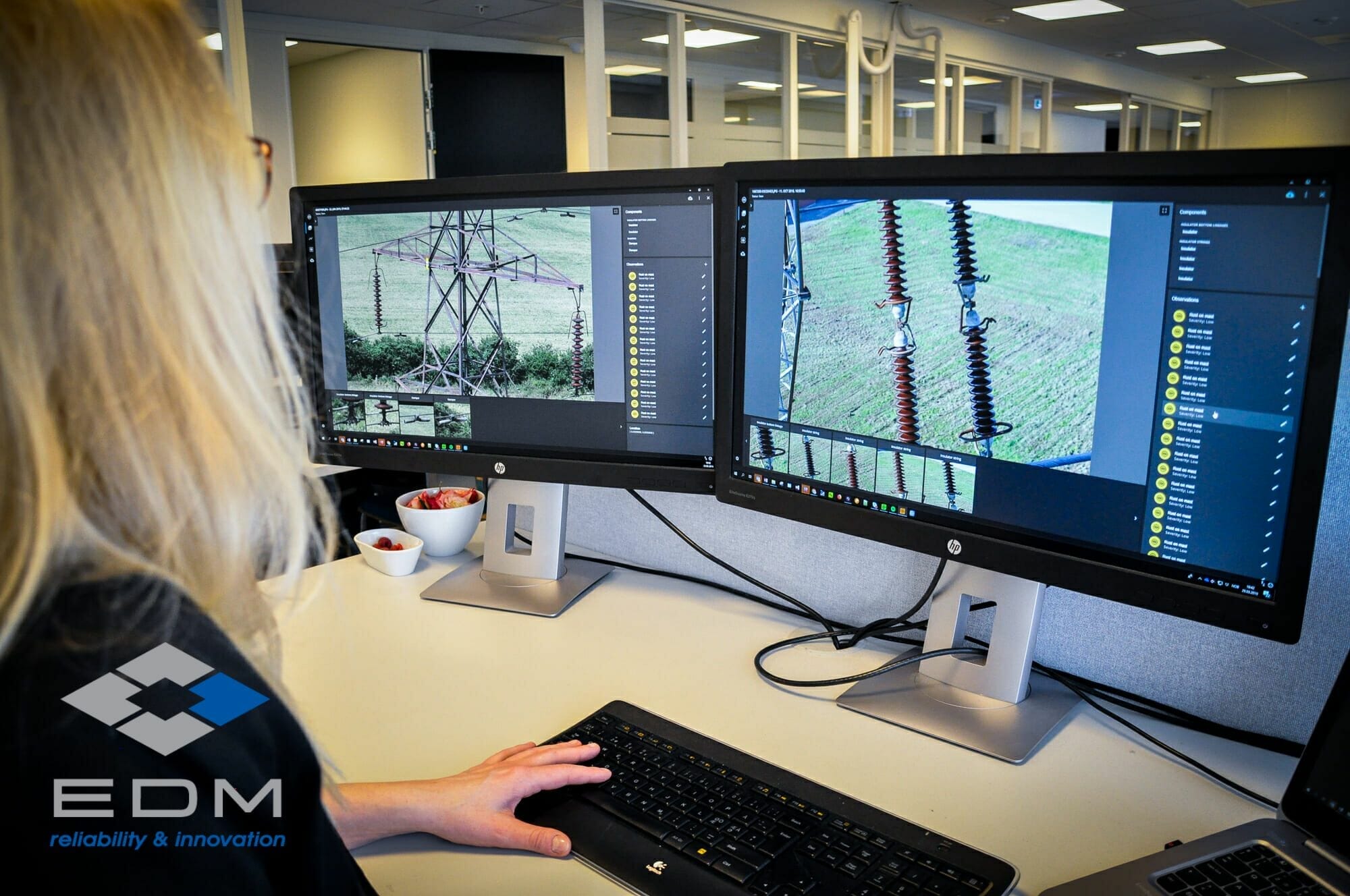
Our role sits at the foundation. eSmart Systems analyzes drone, aerial, and ground imagery using AI to assign each asset component-level ignition risk score based on actual component condition, not just age. That data replaces outdated age-based guesswork that has historically driven capital decisions and replaces them with something defensible: real evidence at the asset level.
We also correct GPS coordinate errors in utility GIS records, surface gaps in asset data, and bring asset condition, detection coverage, and vegetation risk together in a single operational dashboard. We operate across all six stages, because good asset intelligence is relevant before, during, and after a wildfire event.
The Policy Picture Is Moving Fast
The regulatory landscape is accelerating alongside the technology. As of May 2026, thirteen states require utilities to file Wildfire Mitigation Plans, and more are watching closely.

Source: NARUC / PNNL / SEPA (2026)
Whether your state requires a formal WMP or not, the planning frameworks, investment justification tools, and performance metrics in this report give utilities a practical foundation to build from now. Waiting for a mandate is a strategy, but it’s rarely the most cost-effective one.
The Takeaway
The report’s core finding is simple but important: individual technologies deliver value, but the greatest impact comes from connecting them into a unified operational picture. Utilities that do this well reduce ignition risk, make better operational decisions, and build the evidentiary record they need with regulators, insurers, and their boards.
We’re building toward that future with every inspection, every corrected data record, and every integrated dashboard we put in front of a utility team.
Full framework report: DOWNLOAD HERE
Share article
Latest News & Resources
-

Watch our webinar – Disrupting the status quo: AI in utility operations
Watch this webinar to understand why everyone is talking about -

Meet us at E-world 2023
-
A trilogy of considerations: Reducing O&M costs through inspection data
-
eSmart Systems and Verico join forces to strengthen international scale-up platform